Folklore
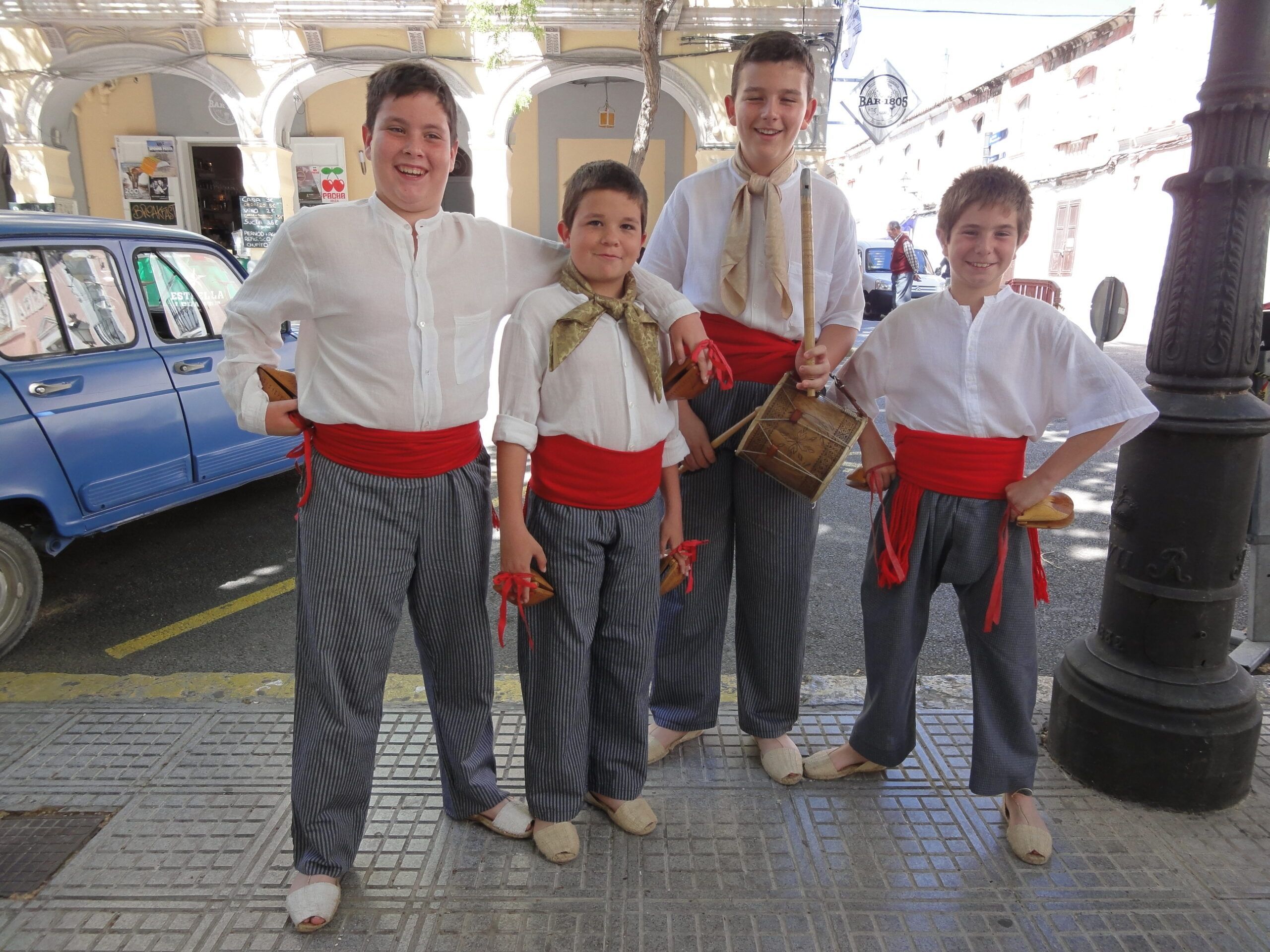
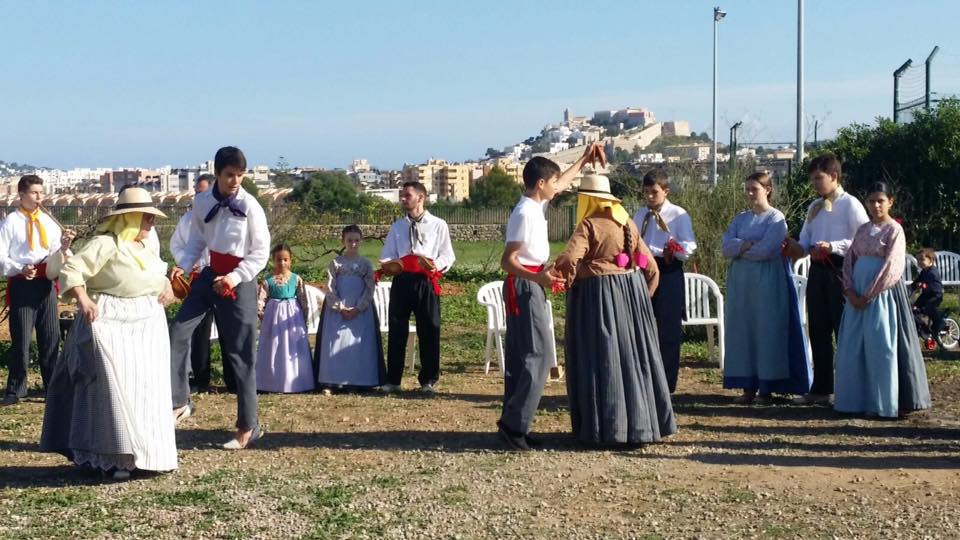
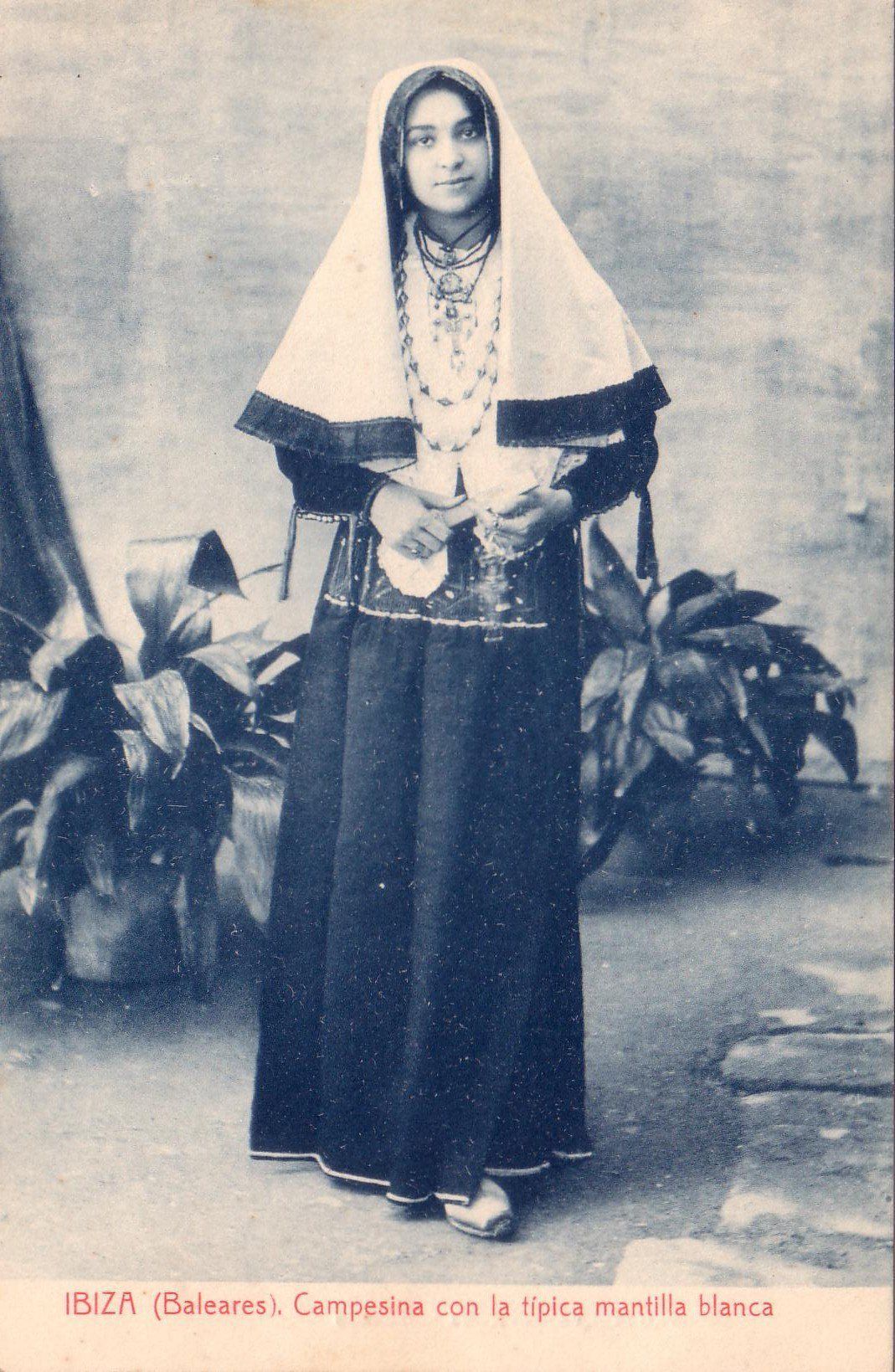
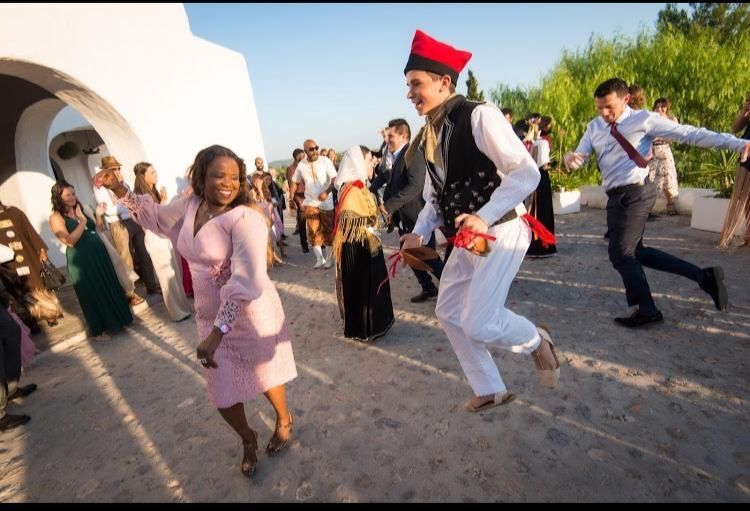
The origins of Ibiza’s folk music and dances remain a mystery still today. Born in the cultural melting pot which is Ibiza, what has been preserved and observable today symbolizes a cross-breeding between civilizations that once populated the island. To put into words, the Ibiza folk dance is a courting ritual/dance where the man asks the woman or several women for a dance, and tries to impress her/them, with a vigorious/energetic dance consisting of constant jumping and lifting his leg higher than head-level while he plays castanets to the rhythm of the drums. When the man is finished, he kneels in front of the women and thanks her/them for the dance. A courting ritual like this reminds of the mating rituals found in the animal kingdom, in peacocks, birds, seadragons,.. There can be up to 15 men and 15 women on the dancing spot. Women’s dance is more reserved, they gracefully slide over the floor like if they were floating, showing their jewelry and following mysterious patterns on the floor which some say are linking to lunar stages.
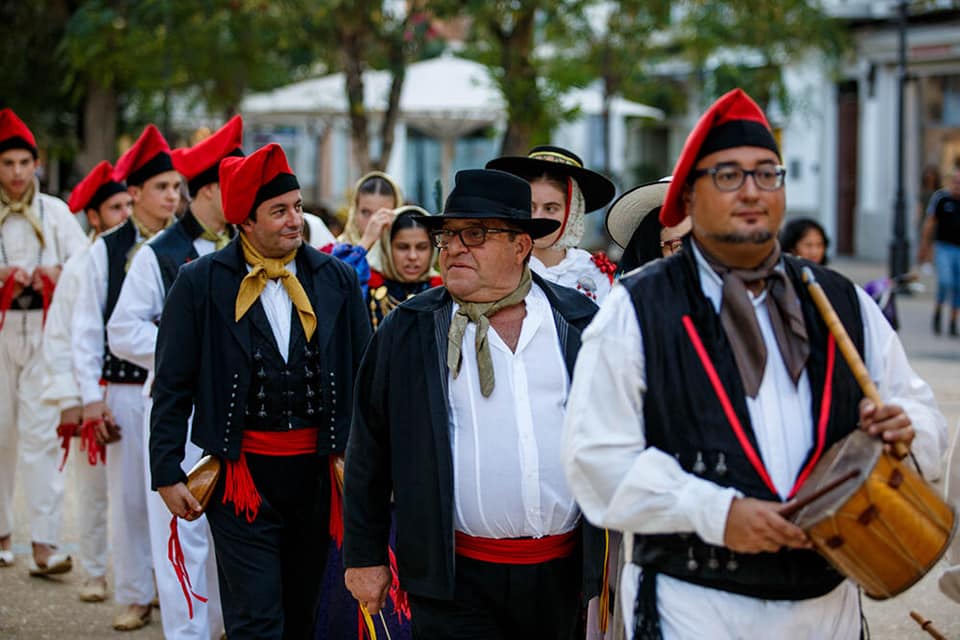
The music consists of several flute and drum players, who play both at the same time. Another musician playing a metal-sword-like instrument can be seen sometimes, plus the many castanet players, who are invoking a trance sound by repeating the same phrase on the castanets non-stop.
The moorish/amazigh influence is undeniable by the fact of many men playing a trance rhythm on castanets, and dancing with acrobacies, as seen in the gnawa music.
Then, influence coming from medieval Catalonia, and the Habsburg Monarchy is seen on the flute & drum players and the men’s clothing, in which the silver buttons from their attire are identical to buttons found in Romania during the XVIII century.
One of the best celebrations that the folk groups hold on the island are the pagan water-worship parties near water wells. They are mostly held during the summer and each folk group has their own place for it. The central meaning is to hold a party to honour and be grateful of having water available. To note, the name which the arabs gave to Ibiza was ”Yabisa” which as Majid Bekkas explained me, means: dry land. Back to the party, we dance on this particular day, play traditional games, prepare some nice food, do ”Uc” contests, which is a traditional scream,.. it’s very fun and enjoyable. If you happen to come to Ibiza, definitely search one of these!
The group I’ve been in, Sa Colla de Vila, is the group from Ibiza Town; as I’ve written in other articles, I entered the group when I was 9 years old when I saw my friend (who was already in the group) going to one of these folk parties. Now I’m a teacher for dance and castanets to boys and teenagers from all ages. We use to perform with our group abroad once a year, where we make a trip to mainland Spain and have so, so much fun.